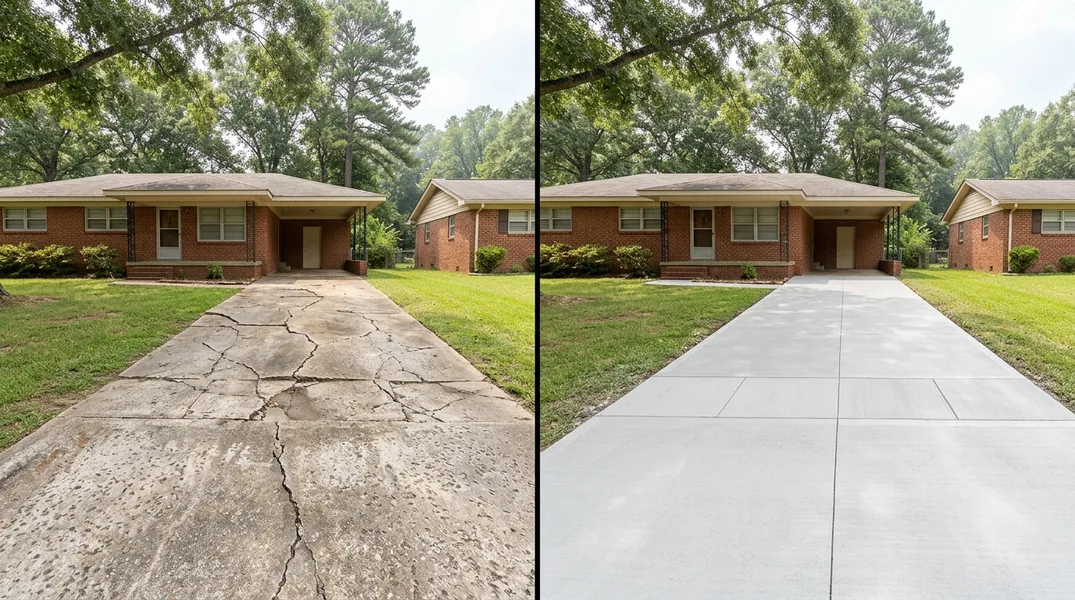
Understanding Concrete Pouring Season in Little Rock
If you're planning a Concrete Driveways project in Little Rock, timing is everything. The best time of year to pour concrete in Arkansas depends on several critical factors including temperature, humidity, rainfall, and the concrete's curing requirements. Unlike regions with more extreme seasonal variations, Little Rock offers a relatively long window for concrete work, but understanding the nuances of when to pour concrete arkansas will help you avoid costly mistakes and ensure a durable finished product.
Concrete is a temperamental material that requires specific conditions to cure properly. The curing process, which typically takes 28 days to reach full strength, is heavily influenced by temperature and moisture levels. Pour your concrete at the wrong time of year, and you might end up with surface cracks, weak spots, or premature deterioration. That's why working with a knowledgeable concrete contractor in Little Rock who understands local climate patterns is so valuable for your project's long-term success.
Spring: The Ideal Window for Concrete Projects
Spring, particularly from mid-March through May, is widely considered the best season for concrete pouring in Arkansas. During this period, Little Rock experiences moderate temperatures that typically range from 60 to 75 degrees Fahrenheit, which is ideal for concrete curing. The warm days and cooler nights create a balanced environment where concrete can hydrate properly without the stress of extreme heat. Spring rainfall is common, but it's generally manageable and can actually benefit the curing process when properly controlled.
The concrete curing heat and humidity balance during spring is nearly perfect for most projects, whether you're installing Concrete Driveways, Concrete Patios, or even Stamped & Decorative Concrete. Contractors in the area typically see higher demand during spring, so scheduling your project early in the season ensures you can secure your preferred timeline. The moderate weather also means fewer weather-related delays, allowing your project to move forward smoothly from pouring through finishing.
Summer Challenges: High Heat and Humidity Concerns
Summer in Arkansas brings intense heat and high humidity, creating significant challenges for concrete pouring and curing. From June through August, temperatures regularly exceed 85 degrees Fahrenheit and can climb into the 90s or higher. While many homeowners assume that hot weather is good for concrete, the reality is more complex. Excessive heat causes concrete to cure too quickly, which can lead to surface cracks, reduced strength, and poor durability. The rapid evaporation of moisture from the concrete surface during hot weather prevents proper hydration of the cement, compromising the structural integrity of your project.
Additionally, the concrete curing heat and humidity combination during summer creates additional stress on the material. High humidity slows surface evaporation while the subsurface continues to lose moisture, creating internal stresses that manifest as cracks and spalling. If you absolutely must pour concrete during summer, you'll need specialized techniques like fog misting, shade protection, and careful moisture management. These extra precautions increase your project cost and complexity. Most experienced contractors recommend avoiding summer pours unless absolutely necessary, and if you do proceed, expect to discuss additional pricing for climate control measures.
Fall: A Secondary Opportunity for Concrete Work
Fall, particularly September through early November, offers a secondary window for concrete pouring that rivals spring in many respects. As temperatures cool from summer highs to more moderate levels (typically 65 to 80 degrees Fahrenheit), conditions become increasingly favorable for concrete work. The humidity begins to normalize, and rainfall patterns become more predictable than in spring. If you missed your spring window or have a project that couldn't be scheduled earlier, fall is an excellent time to move forward with your concrete plans in Arkansas.
The advantage of fall pouring is that you're moving into cooler conditions, which means the concrete cures gradually and thoroughly. This extended curing period actually strengthens the final product. However, be mindful of the approaching winter season. Late November and December can bring unpredictable weather, including freezing temperatures that can damage freshly poured concrete. It's best to complete your fall concrete project by early November to avoid potential frost damage during the critical curing phase. If you're considering a fall project, contact Little Rock Concrete at (501) 214-4504 to discuss your timeline and ensure your work finishes before winter weather arrives.
Winter Considerations: When to Avoid Pouring Concrete
Winter is generally the worst time to pour concrete in Arkansas, and most contractors strongly advise against it. From December through February, temperatures frequently drop below 50 degrees Fahrenheit, with occasional freezes that can dip into the 20s or lower. Concrete requires warm temperatures to cure properly. When temperatures fall below 50 degrees, the hydration process slows dramatically, and below 40 degrees, it essentially stops. This means your concrete won't develop proper strength, and any moisture in the concrete can freeze and expand, causing permanent damage through a process called freeze-thaw cycling.
Additionally, winter precipitation in the form of sleet, ice, and snow creates hazardous working conditions and prevents proper concrete finishing. If you pour concrete in winter and it freezes before curing, you'll likely need Concrete Repair & Resurfacing services within a year or two. The cost of repairs far exceeds the cost of waiting for better weather. The only exception might be specialized projects using heated enclosures and accelerated curing compounds, but these add significant expense. For most homeowners, the answer to when to pour concrete arkansas during winter is simple: don't, unless absolutely necessary and under professional guidance.
Planning Your Concrete Project: Get a Free Estimate Today
Understanding the best concrete pouring season in Arkansas is just the first step in planning a successful project. You'll also need to consider your specific project type, site conditions, local weather forecasts, and your contractor's availability. Whether you're planning Concrete Driveways near you or a decorative patio, timing your project correctly makes a tremendous difference in quality and longevity. The experts at Little Rock Concrete have years of experience working within Arkansas's unique climate patterns and can help you choose the optimal timing for your specific needs.
Don't leave your concrete project to chance. Contact Little Rock Concrete today for a free estimate and professional guidance on the best time to pour your concrete. Our team can assess your project, discuss seasonal considerations, and help you develop a timeline that maximizes quality and minimizes risk. Call us at (501) 214-4504 or visit our website to schedule your consultation. With proper planning and professional expertise, your concrete project will be built to last for decades to come.
Looking for a professional concrete contractor in Little Rock? Little Rock Concrete responds fast for all your concrete needs.
Get a Free QuoteOur services: Concrete Driveways · Concrete Patios · Stamped & Decorative Concrete